[ Solutions ]
From Evaluation to Deployment — Faster.
Custom stereo vision solutions built on NODAR's SDK and HDK, deployed across Fortune 100 companies in mining, rail, aviation, maritime, and beyond.
Perception Solutions
Integration Pathways
Feature-on-Demand Activation
Unlock advanced perception on deployed vehicles — no retrofit required.
1-Week Pilot Implementation
Go from zero to live stereo perception in one week, with NODAR engineers on site.
Windshield Stereo Camera Integration
Stereo depth sensing integrated behind the windshield with no exterior mounts.
Industry Applications
AssetView
Fast, automated 3D inspection of large industrial assets at standoff distance.
FlightView
Accurate obstacle detection from taxiway to cruising altitude.
RailView
Real-time stereo vision that sees obstacles on the track 1 km ahead.
Feature-on-Demand
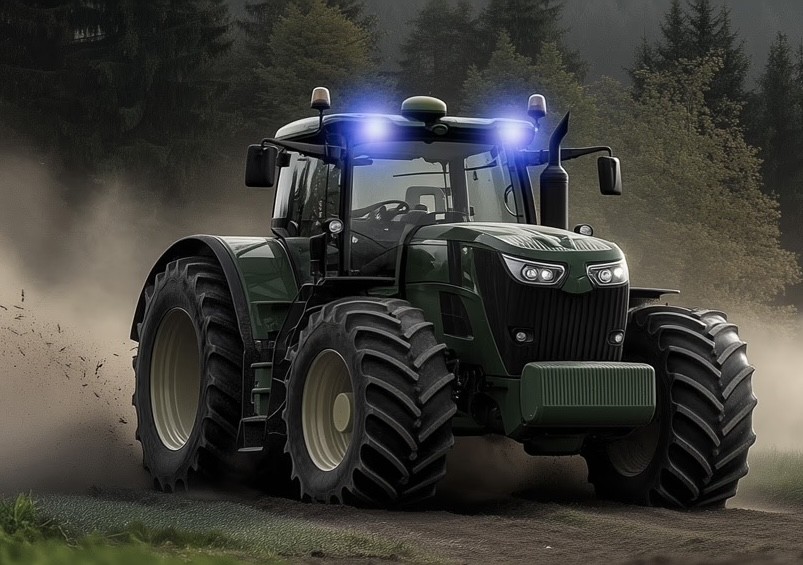
Picture this: a lightweight aftermarket camera array kit that one person can easily mount on a tractor cab in minutes. With cameras already integrated at the factory, operators simply subscribe to unlock the capabilities they need:
• digital implements
• transparent tractor
• crop volume counting
• collision warning
• auto-steer without GPS
• and more
NODAR makes it possible. Our Feature-on-Demand solution gives you the hardware reference design and software to build out exactly this kind of system.
What is Feature-on-Demand?
Feature-on-Demand (FOD) lets users unlock or activate software-based capabilities after the initial product purchase. Similar to the model already transforming automotive applications with upgraded navigation and ADAS, FOD opens up powerful new revenue streams through subscriptions or one-time feature purchases.
The catch with traditional robotics? LiDAR sensors and dedicated AI computers made pre-installing advanced hardware prohibitively expensive. NODAR eliminates that barrier.
Our algorithms run on low-cost embedded computers and generate full 3D point clouds from standard low-cost cameras. That means you can ship vehicles at scale with inexpensive camera hardware, then turn on premium capabilities when customers are ready, including from collision warning all the way to full autonomy.
How it works:
Ship vehicles equipped with low-cost cameras. License the hardware reference design and software. Activate premium features — collision warning, auto-steer, crop volume counting — when your customers are ready for them.
NODAR optimizes your bill of materials for scale and handles deployment support.
1-Week Pilot Implementation
No need to wait months to evaluate new technology. NODAR's Pilot Implementation gets you actionable results in one week.
How it Works:
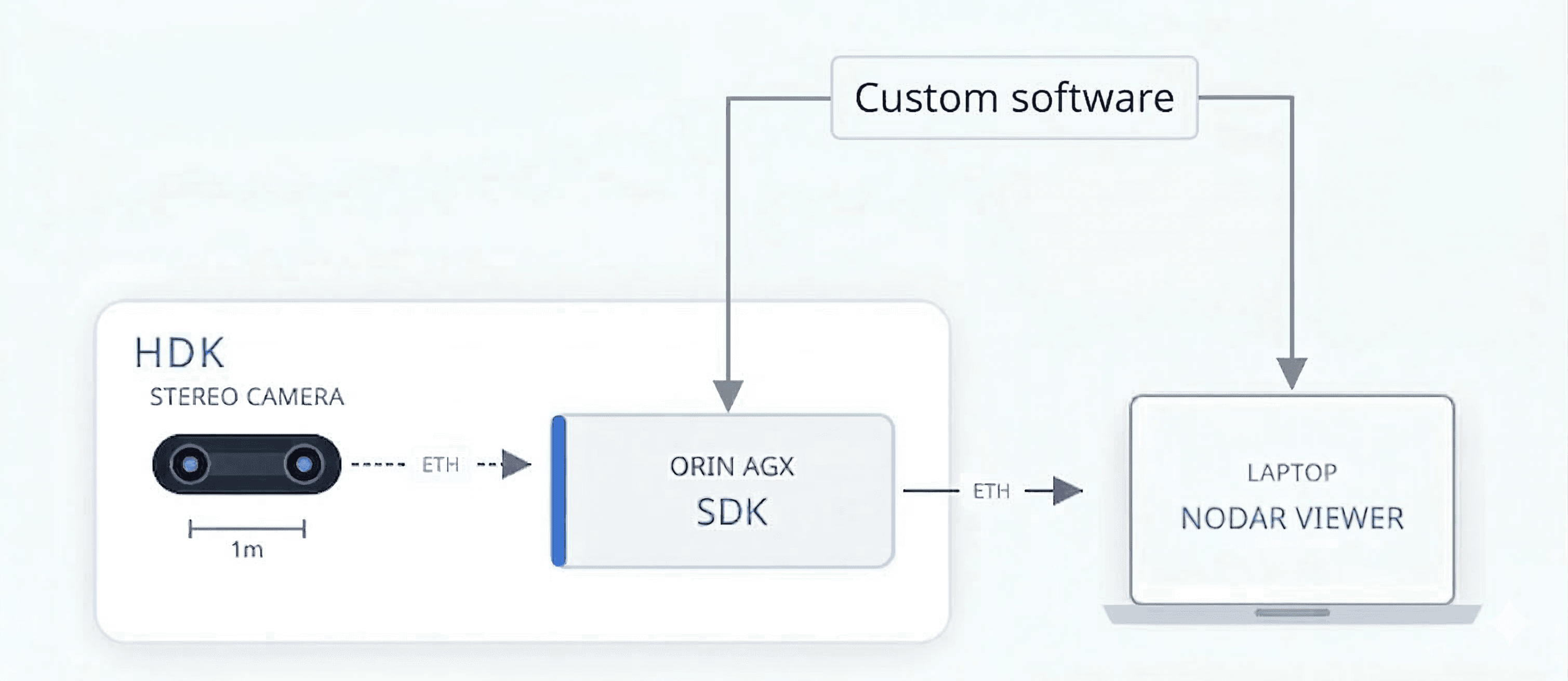
Our team travels to your facility, integrates our Hardware Development Kit, collects data, and delivers a full analysis of how our technology performs against your requirements. One week. No lengthy procurement. No months of internal engineering work to get to a first answer.
What you gain:
• Validated performance data from your own environment and use case
• A clear go/no-go decision backed by real results
• Up to 12 months of accelerated product development for programs that move forward
Case Study: Mining customer
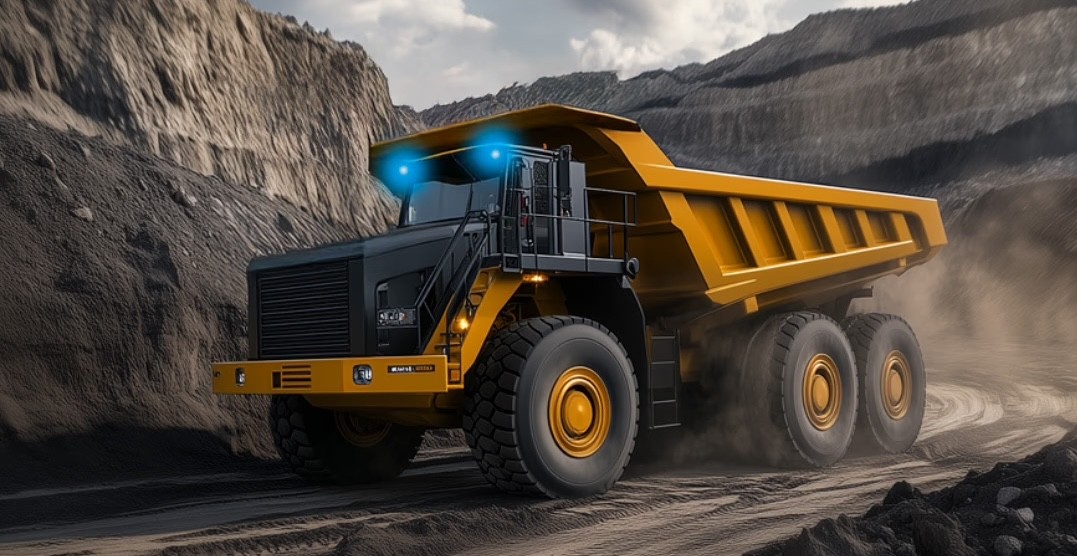
Mounted our HDK to the top of the mining vehicle and measured false positives and negatives across speeds, dust conditions, and ranges. Labeled 2000 images for ground truth.
Confirmed 100% true positive rate to 100-m range for 30-cm objects in dust .
Case Study: tractor customer
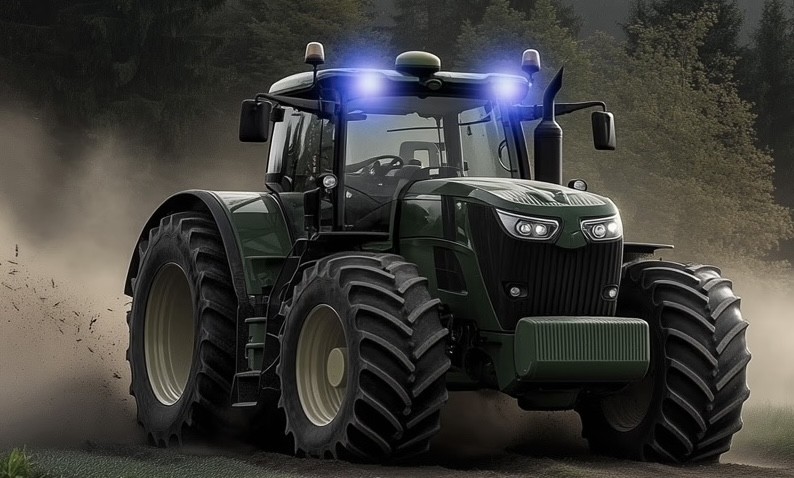
NODAR's HDK - mounted to a tractor - achieved 100+ meter detection range in dusty fields, at night, and shooting directly into the sun…conditions that defeat conventional sensors.
Validated across the conditions that matter most for agricultural deployment.
NODAR delivers an economically scalable, ultrawide-baseline stereo vision solution that can serve as your primary sensing modality. And if your program requires LiDAR or radar, GridDetect supports multi-sensor fusion so NODAR fits into your existing architecture.
Windshield Stereo Camera Integration
Production-ready stereo integration engineered for the demands of the real world.
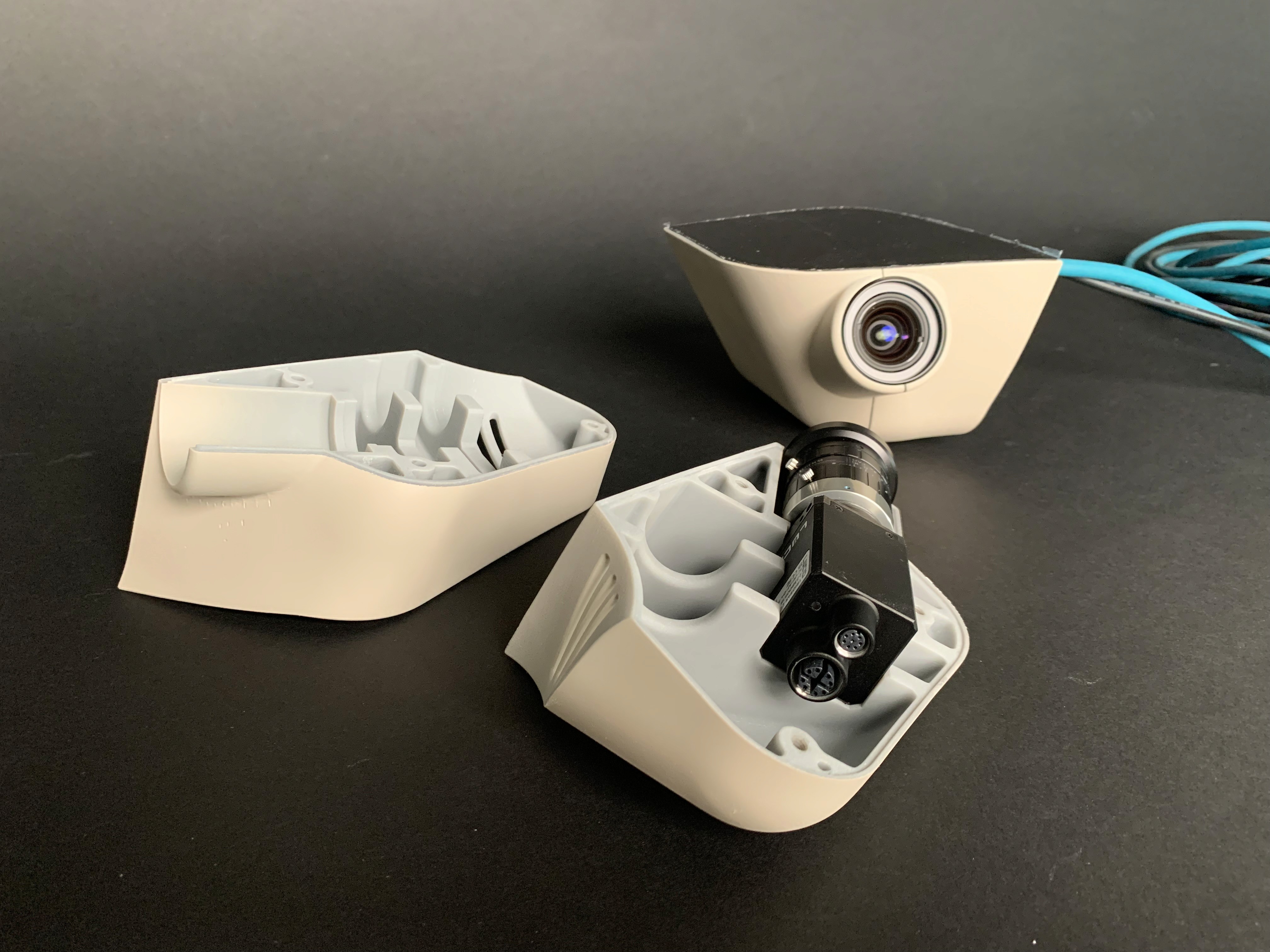
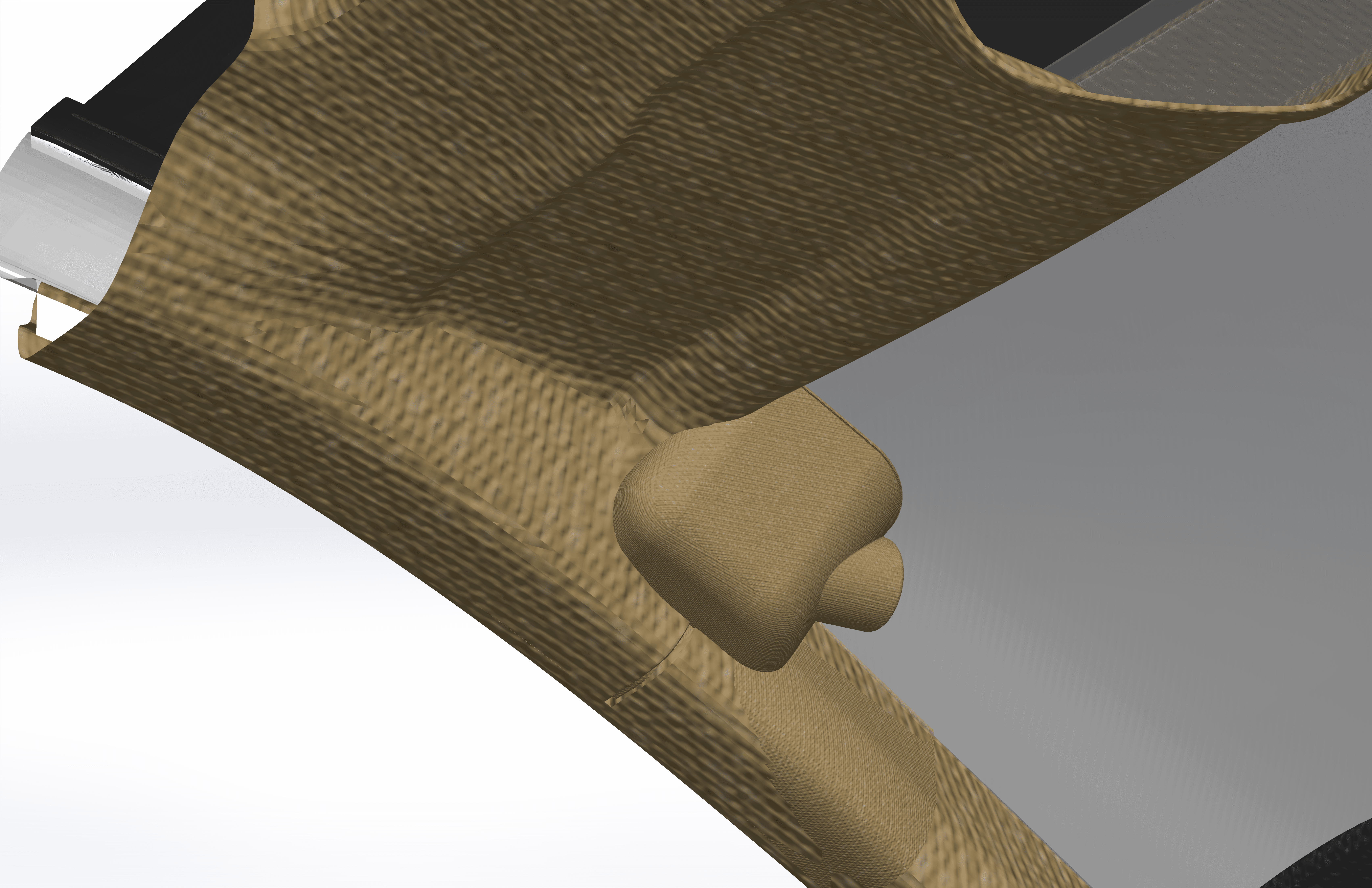
NODAR integrates stereo cameras behind the windshields of cars and trucks for OEM customers, delivering production-ready solutions that are validated, reliable, and ready to deploy.
Behind-the-windshield integration demands solutions that survive the real world. NODAR engineers for every variable:
Stray light
Minimized through optical design and precise camera placement
Rain, snow, and dirt resistance
Optimized positioning and housing for all-weather reliability
Vibration isolation
Mechanical decoupling to maintain stereo calibration over time
Wiper blade interference
Camera placement and FOV designed around wiper sweep zones
Windshield distortion
Compensation for optical artifacts introduced by curved glass
Non-fronto-parallel camera positions
Complete support for angled and offset stereo configurations
Aesthetics
Clean, unobtrusive integration that meets OEM interior standards
Every integration is custom-engineered to your vehicle program.
Train Your Network
Generate pixel-level depth labels from your own hardware, in your own environment, and fine-tune a monocular depth estimation network that actually works where you need it.
Off-the-shelf models like Depth Anything and Depth Pro are trained on general datasets, not on your cameras, your optics, or your environment. NODAR solves this with a structured data labeling and training package — collect data in your operational domain, receive dense stereo-derived depth labels in seven business days.
Fine-tune your network or let NODAR handle the training for you — across end-to-end, monocular depth, stereo depth, segmentation, and custom neural network architectures.
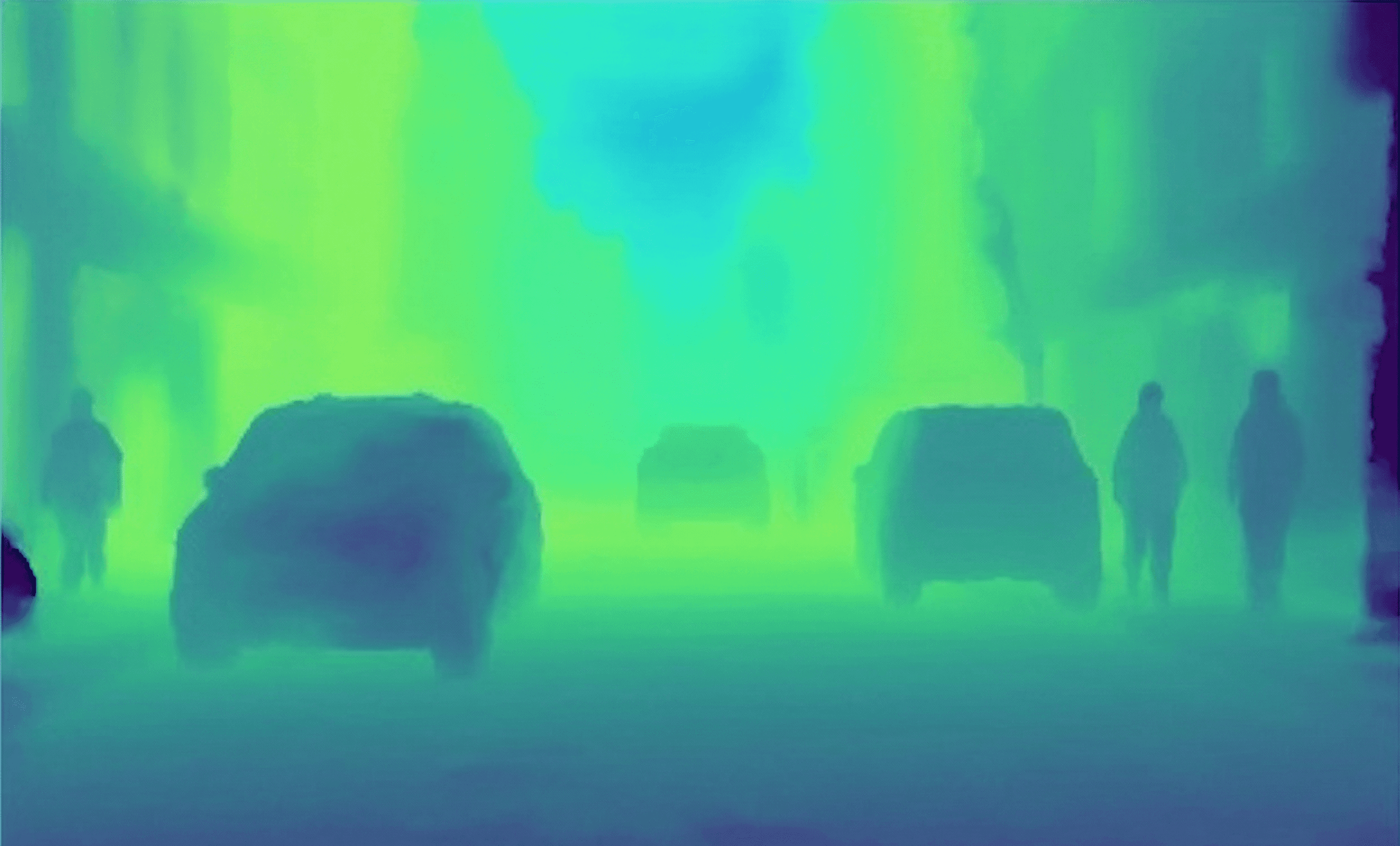
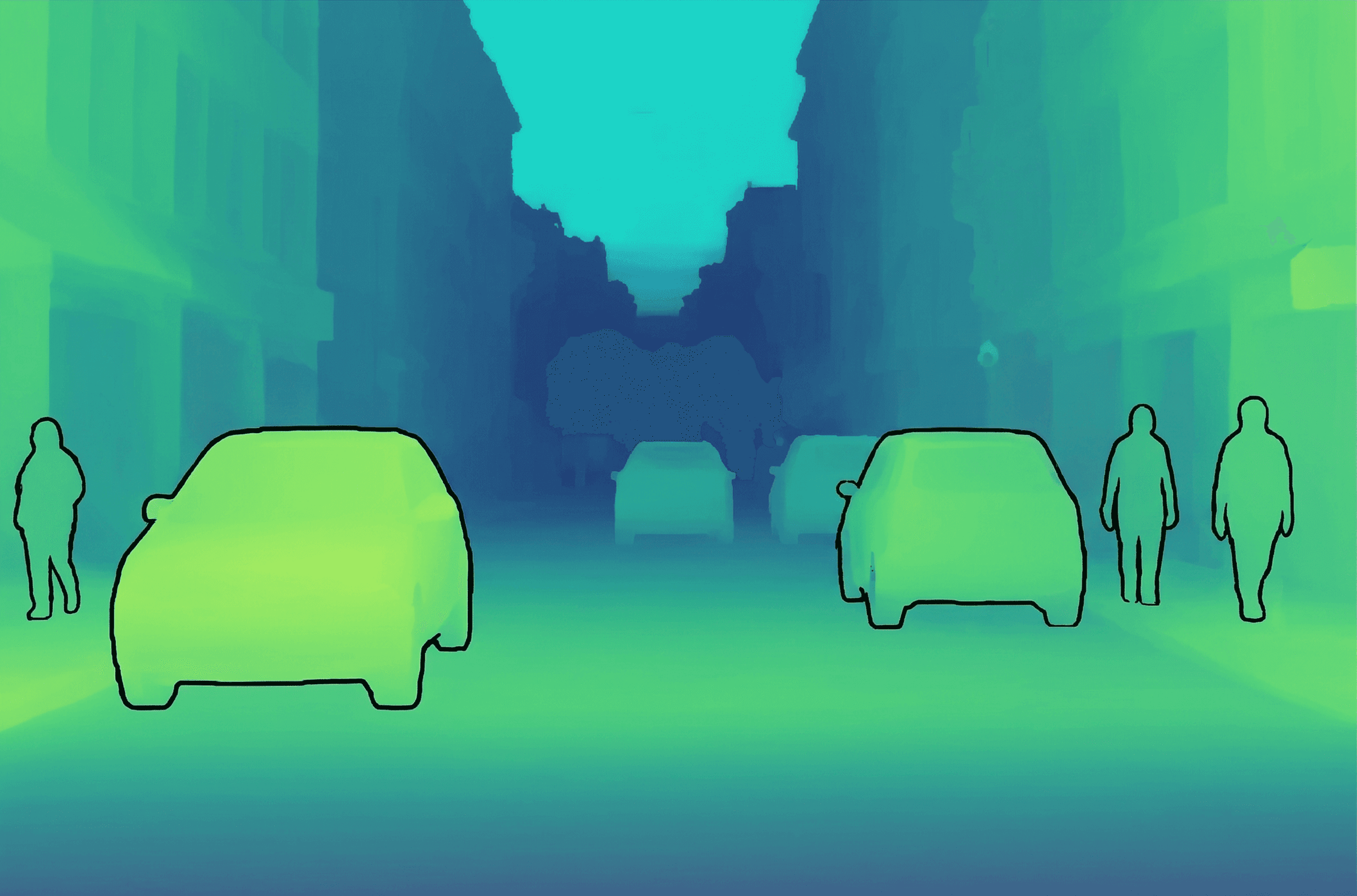
Stereo-derived depth labels transform sparse, unreliable monocular output into dense, accurate depth maps calibrated to your environment.
Why it Works
LiDAR ground truth is sparse, hard to synchronize, and poor at capturing the conditions that actually matter to your deployment. Simulating rain, fog, snow, water surfaces, and variable visibility is time-consuming and imprecise.
NODAR GroundTruth delivers dense, pixel-level depth labels derived directly from calibrated stereo vision, captured in your real operating environment. With approximately 10,000 labeled depth maps, you can quickly and meaningfully improve your monocular network for your specialized domain — including where off-the-shelf models consistently fall short:
Reliable depth estimation over water and reflective surfaces
Consistent performance at long range
Accuracy in environments not represented in open-source training sets
How it Works
1
Sign up and add a second camera
NODAR assists with setup or ships a turnkey hardware development kit (HDK)
2
Collect data in your operating environment
Upload your data to the cloud for processing
3
NODAR generates dense depth labels
GroundTruth processes your data — delivered within seven business days
4
Choose your training path
Fine-tune your existing network, or let NODAR handle training for you
5
Receive your domain-optimized network
A monocular depth estimation model built and validated for your environment
6
Enroll in a retraining plan
Capture edge cases and keep your network current as your environment evolves
Our Engineering Capabilities
NODAR integrates optics, hardware, and perception software to deliver high-performance stereo vision systems for demanding autonomy applications.
Mechanical Design & Product Development
In partnership with Alogus Innovation & Design, we engineer rugged hardware for perception systems operating in demanding environments.
Full-Lifecycle Development: From industrial design concepts to production-ready hardware.
Ruggedization: Custom enclosures designed for the demanding environments of automotive and industrial autonomy.
Rapid Prototyping: Accelerated hardware iterations to move your project from CAD to the field faster.
Precision Optics & Calibration
We treat light as a data point. Our optical lab ensures that every pixel is accounted for and every measurement is precise.
Advanced Calibration: We utilize the Image Engineering GEOCAL measurement device for industry-leading intrinsic camera parameter calibration.
In-Stock Inventory: We maintain an extensive selection of high-performance cameras and lenses to facilitate immediate prototyping and proof-of-concept testing.
Geometric Fidelity: Ensuring sub-pixel accuracy across the entire field of view.
Software & Intelligence
Our software stack is built for the edge, turning raw frames into real-time spatial intelligence.
AI / Machine Learning: State-of-the-art Computer Vision and Deep Learning models optimized for 3D sensing and object detection.
Embedded Systems: High-efficiency software architecture designed to run on resource-constrained edge hardware without sacrificing performance.
User Interface (GUI): Intuitive interfaces that provide clear, real-time visualization of complex 3D data environments.